
What Makes Exterior Dirt and Grime More Noticeable in August?
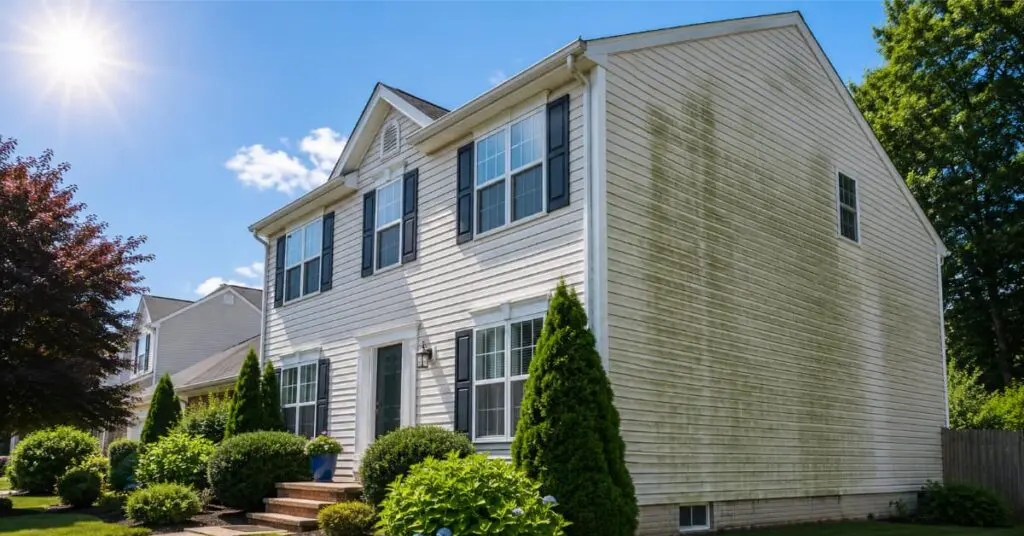
During a stretch of hot August weather, a home’s exterior can seem to go from relatively clean to noticeably dingy in a surprisingly short time. Siding may look dull, shaded areas can develop green discoloration, and dirt can become more visible around trim, gutters and other exterior surfaces.
While New Jersey heat waves do not simply make a house dirty, changing summer conditions can make buildup that has accumulated over time much easier to notice.
For New Jersey homeowners, understanding what is behind the discoloration can help determine whether the exterior needs routine house washing in NJ or whether a particular stain or problem requires a different approach.
Hot, humid summer conditions can persist during periods of extreme heat. The National Weather Service provides information about extreme heat and heat safety during periods of dangerously high temperatures.
Prolonged high temperatures can also affect exterior materials in ways that go beyond visible dirt and staining. Learn more about how extreme summer heat affects your home’s exterior in New Jersey.
Why Dirt and Grime Become More Noticeable During a Heat Wave
A house does not suddenly accumulate months of dirt when temperatures rise. During New Jersey heat waves, however, dust, pollen and other airborne particles that have collected on exterior surfaces can become much easier to see.
Longer dry stretches allow fine debris to settle on siding, trim and windows. When humidity, overnight moisture or rain follows, that buildup can become more visible as spots, streaks or an overall dingy appearance.
For homeowners wondering why their house looks dirty in summer, what appears to be a sudden change may actually be weeks of accumulated buildup becoming more noticeable. This is one reason exterior house cleaning in New Jersey can become a maintenance priority as summer progresses.
What Is That Buildup on Your Siding?
Not every stain that appears during a hot New Jersey summer is the same. The color and appearance of the discoloration can provide clues about what has accumulated on the exterior.
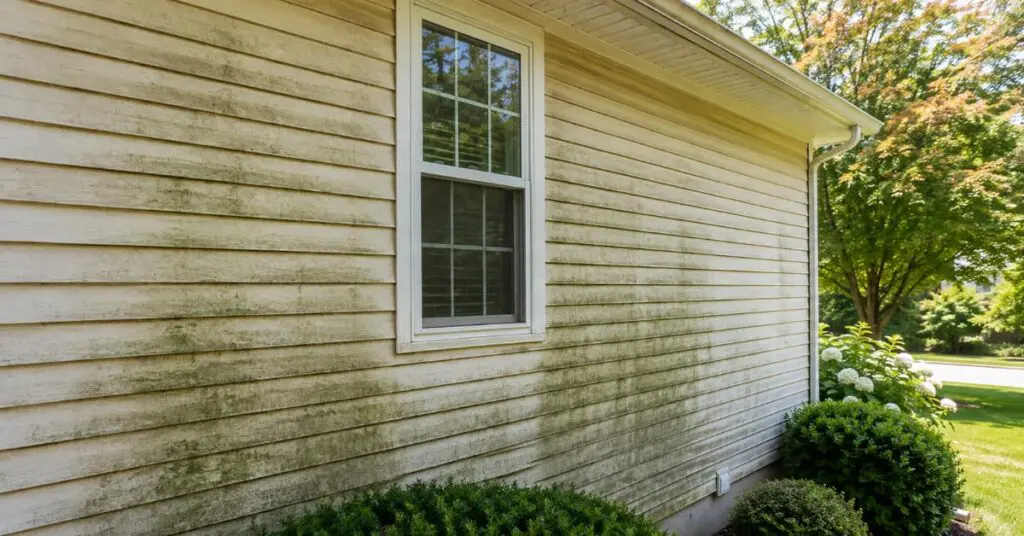
Green patches commonly seen on siding are often associated with algae or other organic growth. Dark discoloration may indicate other accumulated organic material, while a dull or dusty appearance can simply be layers of pollen, dirt and airborne debris.
Identifying the type of buildup matters because exterior surfaces do not all require the same cleaning method. Professional siding cleaning in New Jersey should account for both the material being cleaned and the type of staining present rather than relying on excessive pressure to remove everything.
Why One Side of Your House May Look Dirtier Than Another
It is common for one side of a home to develop noticeable staining while another still looks relatively clean. The difference often comes down to sunlight, shade, airflow and how quickly each exterior wall dries.
North-facing walls and areas shaded by trees, neighboring homes or roof overhangs typically receive less direct sunlight. After rain or overnight moisture, these surfaces can stay damp longer, creating more favorable conditions for green organic growth and discoloration.
Landscaping can add to the problem. Shrubs and trees planted close to siding may restrict airflow, keep surrounding areas shaded and deposit pollen, leaves and other organic material near the house.
These differences help explain why summer exterior cleaning needs can vary around a single property. Professional house washing in NJ can address heavier buildup while using a cleaning method appropriate for the exterior material.
How Summer Storms Can Leave Your Home Looking Dirtier
A summer downpour may seem like it should rinse a home’s exterior clean, but rain can redistribute accumulated dirt and debris rather than remove it. Once the siding dries, streaks and concentrated areas of grime may be easier to see.
Wind-driven rain can carry additional debris onto the house, while splashback from soil, mulch, patios and landscaping can stain lower sections of siding and areas near the foundation.
Gutters and downspouts can create other visible patterns when water overflows, leaks at seams or repeatedly runs across the same section of the exterior. These stains can become particularly noticeable after a heavy thunderstorm.
The cycle can repeat throughout August as hot, dry periods alternate with storms. For homeowners considering exterior home maintenance in NJ, recurring staining after summer weather can indicate that accumulated buildup needs more than rain to remove it.
Should You Wait Until the Heat Wave Is Over to Clean Your House?
Visible dirt and organic buildup do not necessarily need to remain on a home’s exterior until fall. However, extremely hot conditions can affect when exterior cleaning should be performed.
Direct sunlight can heat siding and other surfaces considerably above the outdoor air temperature, causing cleaning solutions to dry too quickly. Early morning or cooler periods can provide better working conditions than peak afternoon heat.
Professional summer house washing in New Jersey can be scheduled with attention to surface temperature, sun exposure and the material being cleaned. Homeowners do not necessarily need to wait for cooler fall weather when appropriate cleaning conditions are available.
Does Dirtier Siding Need More Pressure to Get Clean?
During New Jersey heat waves, heavy summer buildup does not necessarily mean a home’s exterior needs stronger water pressure. The appropriate cleaning method depends on the surface material and what is causing the discoloration.
Siding covered with dirt, algae or other organic buildup often benefits from a cleaning process designed to loosen and remove the contamination rather than relying on water pressure alone. Excessive pressure can be inappropriate for certain siding materials and may force water into areas where it does not belong.
The same principle applies to other exterior surfaces. Concrete, pavers, decks and siding can have different cleaning requirements, so pressure washing in New Jersey should not mean using the same amount of pressure everywhere.
Choosing the right combination of cleaning method, water pressure and surface treatment can remove summer buildup while protecting the materials being cleaned.
Where Late-Summer Grime Is Often Most Noticeable
Siding may be the first place homeowners notice a change, but by August, other highly visible areas around the property can also look worn or dirty.
Entryways, exterior steps and walkways often show concentrated grime because of regular foot traffic. Driveways and patios can appear dull or stained, while shaded hardscapes may develop darker or green discoloration.
Decks, fences and outdoor living areas can also lose their cleaner appearance as the summer progresses. Because these surfaces frame the home and are often visible from the street or backyard, buildup on several areas at once can make the entire property look less maintained.
This accumulated buildup is one reason a home can appear noticeably dirtier toward the end of a hot New Jersey summer with intense New Jersey heat waves, even when no single surface has changed dramatically. Exterior house cleaning in New Jersey can address the seasonal buildup across the areas where it has become most visible.
When Is It Time to Have Your Home Professionally Cleaned?
A little surface dust after a dry stretch does not necessarily mean the entire exterior needs professional cleaning. During prolonged New Jersey heat waves, however, persistent discoloration can become increasingly noticeable as seasonal buildup remains on exterior surfaces.
Green or dark staining that remains on siding, visible streaks beneath gutters, grime across entryways and walkways, or buildup affecting several exterior surfaces are all reasons homeowners may consider professional house washing. The same applies when previously isolated areas continue to spread or become more noticeable as summer progresses.
For homeowners wondering about the best time to pressure wash a house in New Jersey, the condition of the exterior matters along with the weather. If accumulated summer grime is making siding, patios, walkways or other areas look noticeably neglected, pressure washing in New Jersey or an appropriate house-washing method can address the buildup without necessarily waiting until fall.
A Brilliant Solution provides house exterior cleaning in NJ based on the surface, condition and type of buildup present.
Can You Keep Your Home Cleaner During a New Jersey Heat Wave?
During New Jersey heat waves, homeowners cannot prevent pollen, dust, storms and summer moisture from reaching exterior surfaces, but a few maintenance habits can help keep isolated buildup from becoming more noticeable during New Jersey heat waves.
Keep gutters and downspouts functioning properly so rainwater is directed away from siding and the foundation rather than overflowing onto exterior surfaces. Trimming shrubs and branches that press against or closely surround the house can also improve airflow and reduce the amount of organic debris collecting against siding.
Watch areas that repeatedly develop green or dark discoloration. Recurring staining can help identify sections of the property that may need more frequent attention as part of routine exterior home maintenance in NJ.
Homeowners trying to determine how to remove dirt from exterior siding should also consider the siding material and type of buildup before attempting aggressive cleaning. Routine maintenance can help with minor debris, but established staining or widespread organic growth may be better addressed through professional house washing.
Frequently Asked Questions Regarding Homes Looking Dirtier During and After New Jersey Heat Waves
Does Hot Weather Make Siding Dirtier?
Hot weather alone does not create dirt, but conditions during New Jersey heat waves can make existing buildup more noticeable and contribute to conditions where exterior staining develops.
Why Does Siding Get Green in New Jersey?
Green siding is commonly associated with algae or other organic growth. Areas with limited sunlight, moisture and nearby vegetation can be more susceptible.
How Often Should You Wash Your House in New Jersey?
There is no single schedule for every property. Sun exposure, surrounding trees, siding material and the amount of visible buildup can all affect how frequently house washing in NJ is needed.
Can You Pressure Wash a House During Hot Weather?
Exterior cleaning can be performed during summer, but extremely hot, sun-heated surfaces may not provide ideal cleaning conditions. Cooler parts of the day may be more appropriate.
Is Soft Washing Better Than Pressure Washing for Siding?
The appropriate method depends on the siding and type of buildup. Some siding can be cleaned effectively with lower-pressure methods rather than relying on high water pressure.
Get Your Home Looking Clean Again After the Summer Heat
If New Jersey heat waves have left dirt, staining, and seasonal buildup more noticeable around your property, A Brilliant Solution can help restore a cleaner exterior.
We provide professional house washing and pressure washing in New Jersey for homeowners throughout Northern and Central NJ, including Morris, Sussex, Warren, Essex, Bergen, Passaic, Somerset and surrounding counties. Services can address siding, patios, walkways, driveways and other exterior surfaces using cleaning methods appropriate for each material.
Contact A Brilliant Solution today to schedule exterior cleaning and refresh your home’s appearance before summer buildup carries into fall.

