Understanding the Exterior Maintenance Needs of Waterfront Properties
Quick Answer: Exterior cleaning for lakefront homes in Northern New Jersey requires careful attention to organic growth, moisture exposure, slippery surfaces and cleaning runoff. Shaded siding, decks and walkways may develop algae and mildew when damp conditions persist. Appropriate cleaning techniques and runoff controls are essential to maintaining exterior materials while protecting nearby waterways.
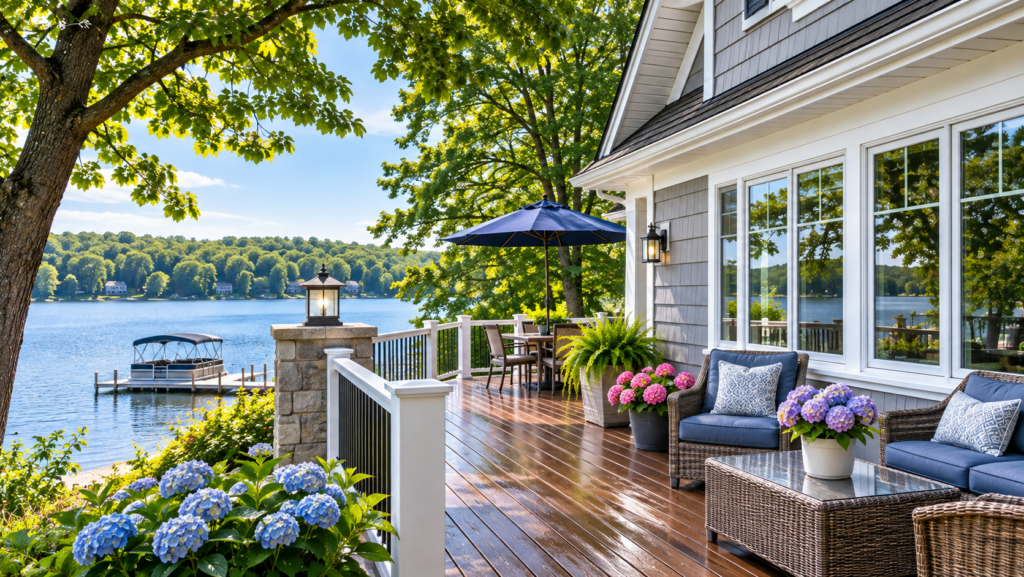
Properties surrounding Lake Hopatcong, Lake Mohawk, Budd Lake and Lake Parsippany often feature mature trees, sloping landscapes and outdoor living areas overlooking the water. Limited sunlight and restricted air circulation can slow surface drying, while insects, wildlife and surrounding vegetation create additional maintenance demands. These conditions make waterfront property maintenance more complex than routine suburban house washing.
Common Exterior Cleaning Problems Around New Jersey Lakes
Effective exterior cleaning for lakefront homes begins with identifying the contaminants affecting each surface. Locations near the shoreline, beneath trees and around outdoor entertainment areas may require different treatments. Selecting appropriate cleaning methods helps protect exterior finishes and maintain frequently used spaces.
Green Algae and Mildew on Siding
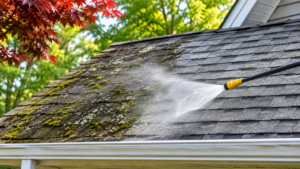
Exterior walls that receive limited sunlight are particularly susceptible to organic discoloration. Green algae and mildew can develop unevenly across vinyl siding, painted surfaces and exterior trim. Professional roof and siding cleaning can address these contaminants using techniques suited to the material.
Slippery Decks, Patios and Walkways
Algae and other organic growth can reduce traction on wood decking, composite boards, concrete and pavers, particularly along sloped walkways and pathways leading toward the water. Persistent moisture may also result from patio drainage problems, including improper grading, settled pavers and inadequate runoff management. Combining professional exterior cleaning with appropriate drainage improvements can help reduce recurring organic buildup and slipping hazards.
Spider Webs and Insect Residue
Freshwater environments support numerous insect species, particularly during warmer months. As explained in NJ Pest Control’s guide to how weather affects pest activity in New Jersey, exterior lighting and surrounding vegetation can attract insects, creating favorable conditions for spiders to establish webs around porches, windows and doorways. Routine exterior cleaning removes accumulated webs and insect residue, while addressing underlying pest activity can help reduce recurring buildup.
Bird Droppings and Wildlife Residue
Waterfowl and other wildlife may leave droppings on railings, patios, steps and outdoor furniture. Prolonged exposure can make deposits more difficult to remove and may affect certain surface finishes. Cleaning methods should limit airborne particles and prevent contaminated wash water from reaching the lake.
Why Cleaning Runoff Matters Near Lakes
Runoff management is a critical consideration in exterior cleaning for lakefront homes. Sloped properties and paved surfaces near shorelines can allow cleaning water to travel directly toward the lake. Preventing cleaning solutions, sediment and loosened contaminants from entering waterways should be part of the project planning process.
The New Jersey Department of Environmental Protection’s Clean Water NJ program explains how runoff carries pollutants into lakes, rivers and streams, often without treatment. Residential drainage systems can also transport contaminants from areas located farther from the shoreline. Understanding where water flows is important before beginning any exterior washing project.
Are Biodegradable Cleaning Products Safe Near Lakes?
A biodegradable label does not automatically indicate that a cleaning product is safe for aquatic life. Ingredients, concentration and exposure levels influence the potential environmental impact. Products should be used according to their intended purpose, with appropriate precautions to prevent discharge into waterways.
Planning for Responsible Lake House Cleaning
Before scheduling exterior maintenance, homeowners should discuss the property’s drainage patterns and proximity to the shoreline with their cleaning provider. Certain projects may require temporary containment, wash water collection or other runoff management measures. Applicable municipal ordinances and lake association requirements should also be reviewed before work begins.
Choosing the Right Cleaning Method for Waterfront Properties
Exterior cleaning for lakefront homes may involve several techniques depending on the materials being treated. Soft washing is generally appropriate for delicate surfaces, while controlled pressure cleaning may be suitable for durable hardscapes. Manufacturer recommendations, existing material conditions and environmental restrictions should guide treatment selection.
| Exterior surface | Common concern | Recommended cleaning method |
|---|---|---|
| Vinyl siding | Algae and mildew | Soft washing |
| Asphalt shingle roofing | Black streaks and moss | Manufacturer-approved low-pressure cleaning |
| Wood decking | Organic growth and weathering | Gentle wood cleaning |
| Composite decking | Surface grime and algae | Manufacturer-approved cleaning |
| Concrete walkways | Slippery organic buildup | Controlled pressure cleaning |
| Paver patios | Moss and accumulated debris | Appropriate pressure and joint protection |
| Railings and painted trim | Insect residue and dirt | Gentle surface cleaning |
Professional residential exterior cleaning services can address multiple surfaces during a coordinated maintenance visit. Properties with limited shoreline access or challenging terrain may require additional planning. Discuss site-specific restrictions and cleaning requirements when obtaining an estimate.
How Shoreline Landscaping Affects Exterior Maintenance
Natural shoreline vegetation can help stabilize soil, reduce erosion and filter certain pollutants before runoff reaches the water. Although dense vegetation may contribute to shaded conditions around outdoor structures, extensive removal can compromise these environmental benefits. Selective pruning may provide a more appropriate alternative where permitted.
The NJDEP stormwater management FAQs provide information about managing residential runoff and protecting water quality. Homeowners should preserve beneficial vegetation and consider appropriate drainage improvements rather than relying on extensive clearing. Local requirements should be reviewed before modifying established shoreline landscapes.
Seasonal Exterior Cleaning for Lakefront Homes
Northern New Jersey’s seasonal weather influences when different waterfront maintenance tasks should take place. Vacation residences may also remain unoccupied for extended periods, allowing problems to develop unnoticed. A seasonal maintenance schedule can help homeowners prepare their properties for recreational use and changing weather conditions.
Spring: Preparing for Lake Season
Inspect siding, decking and hardscapes for winter damage, staining and accumulated debris. Check gutters and drainage areas for obstructions before seasonal rainfall increases. Schedule necessary exterior cleaning before outdoor entertainment areas return to regular use.
Summer: Maintaining Outdoor Living Areas
Frequent recreational activity increases the importance of maintaining stairs, patios and walkways. Inspect high-traffic surfaces for slippery growth and remove accumulated insect residue around lighting fixtures and covered porches. Address developing maintenance concerns promptly between professional cleaning visits.
Fall: Removing Debris Before Winter
Falling leaves, acorns and pine needles can obstruct drainage channels and accumulate between deck boards. Removing this debris before freezing temperatures arrive helps prevent drainage problems and prolonged moisture contact. Seasonal residents should complete necessary maintenance before closing their properties for winter.
Winter: Protecting Exterior Surfaces
Water-based exterior cleaning should be avoided when temperatures could cause freezing during or immediately after treatment. Homeowners should monitor accessible areas for ice accumulation, blocked drainage and visible storm damage. Properties that remain unoccupied during winter may benefit from periodic inspections.
How Often Should a Lakefront Home Be Professionally Cleaned?
The recommended frequency of exterior cleaning for lakefront homes depends on environmental exposure, property use and surface conditions. An annual exterior assessment provides a reasonable starting point for determining maintenance requirements. Frequently used walkways or heavily shaded areas may need attention between scheduled professional house washing visits.
Vacation homeowners should consider arranging cleaning before peak occupancy periods rather than waiting until guests arrive. Coordinating siding, deck and patio maintenance can reduce disruptions during the recreational season. Properties used for vacation rentals may require additional attention to entrances and shared outdoor spaces.
Frequently Asked Questions
Does living near a freshwater lake cause salt damage?
Unlike oceanfront properties, freshwater lake homes are not ordinarily exposed to marine salt spray. However, deicing products used on nearby roads, driveways and walkways can leave mineral deposits during winter. Identifying the source of staining helps determine the appropriate cleaning treatment.
Should windows be cleaned before or after house washing?
Exterior window cleaning is generally best scheduled after siding and adjacent surfaces have been washed. This sequence prevents cleaning residue and loosened debris from settling on recently cleaned glass. Coordinating these services can help achieve a more consistent finished appearance.
Can I use lake water to pressure wash my house?
Untreated lake water may contain sediment, organic material and dissolved minerals that can affect cleaning equipment or leave surface deposits. Water withdrawal may also be subject to applicable local or state requirements. Confirm an appropriate water source with your cleaning provider before work begins.
Are there special power washing rules in NJ lake communities?
Requirements may vary by municipality, lake association and property location. Restrictions can address wastewater disposal, shoreline protection and permitted property maintenance activities. Homeowners should confirm applicable requirements before scheduling exterior cleaning near the water.
Can power washing remove stains from lakefront retaining walls?
Professional cleaning can remove many organic stains from concrete, brick and natural stone retaining walls. Treatment methods depend on the material, mortar condition and structural integrity of the wall. Additional runoff precautions may be necessary when retaining walls are located close to the shoreline.
Professional Exterior Cleaning for Lakefront Homes in Northern New Jersey
A Brilliant Solution brings over 25 years of exterior cleaning experience to residential properties throughout Northern New Jersey. Our professional soft washing and power washing services help homeowners maintain siding, roofing, decks, patios and other outdoor surfaces. Contact our team to discuss your waterfront property’s specific maintenance requirements.
Based in Succasunna, NJ, we serve homeowners throughout Morris County and surrounding areas, including Lake Hopatcong, Lake Rogerene and Lake Musconetcong, White Meadow Lake in Rockaway, Roxbury, Mount Arlington, Mountain Lakes and Sparta. Our service area also includes Denville’s lake communities, such as Indian Lake, Cedar Lake, Rock Ridge Lake and Lake Arrowhead, along with other waterfront neighborhoods throughout Northern New Jersey.
Contact A Brilliant Solution to request a free exterior cleaning estimate for your waterfront property.