

Powerwashing Guide to the Removal of Grease from Concrete, Pavers & Other Surfaces
Grease stains can be a major eyesore and a slip hazard on exterior surfaces like concrete driveways, brick pavers, natural stone patios, tile walkways, stucco siding, painted decks, and asphalt driveways. Removing greasy buildup can be tough without the proper technique, whether it’s from cars, grills, food spills, or general outdoor use. Fortunately, power washing offers an effective, efficient solution.
This guide will walk you through the most effective methods for removing grease from various surfaces using power washing while offering tips on degreasers, pressure levels, and tools. Whether you’re a homeowner or property manager, knowing how to treat each surface can save time, protect property, and restore curb appeal.
Why Power Washing Works for Grease
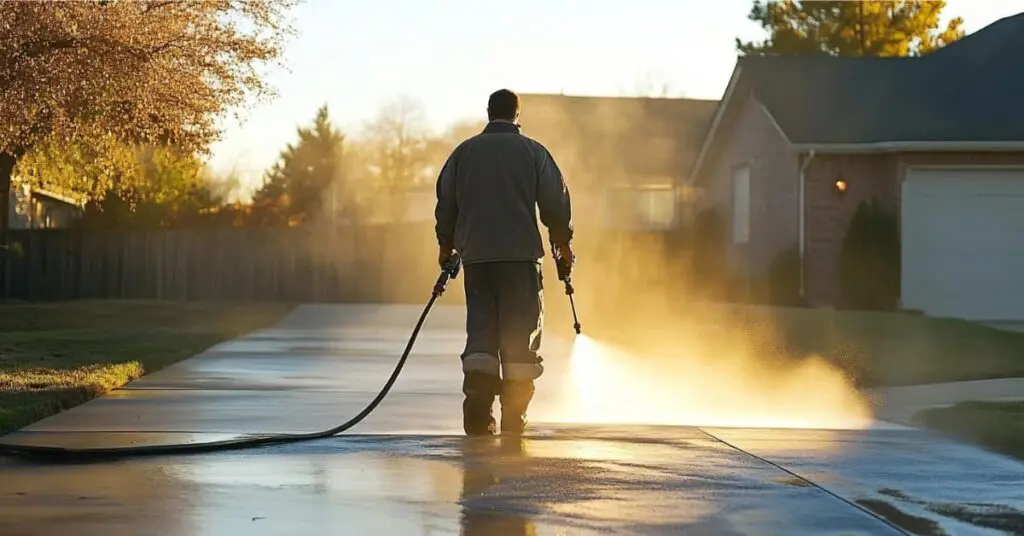
Power washing (also called pressure washing) uses high-pressure water to clean surfaces. When paired with the right degreaser or detergent, it can quickly break down oil and grime for greasy messes. The heat from a hot water pressure washer, in particular, helps emulsify the grease, lifting it from porous surfaces like concrete and pavers.
However, not all surfaces tolerate the same pressure or chemicals, and improper technique can lead to damage. That’s why it’s essential to understand the specifics of each material.
Concrete Surfaces
Common areas: Driveways, garages, patios, walkways.
Issue: Concrete is porous, meaning grease can soak in and become deeply embedded.
Steps:
- Apply a commercial degreaser: Use a concrete-safe degreaser and allow it to sit for 10–15 minutes. Products containing sodium hydroxide are particularly effective.
- Use a stiff-bristled brush to scrub the degreaser into the surface.
- Power wash using hot water at 3000–3500 PSI, with a surface cleaner attachment for even cleaning.
Tip: Avoid using a turbo nozzle on old or cracked concrete to prevent damage.
Brick Pavers
Common areas: Walkways, patios, pool decks.
Issue: The grease gets trapped in the sand joints and textured surfaces.
Steps:
- Sweep and prep the surface, removing debris and loose dirt.
- Apply a paver-safe degreaser, avoiding acidic cleaners which can erode the paver finish.
- Let it soak, then scrub stubborn spots manually.
- Pressure wash using 1500–2500 PSI, starting with a fan-tip nozzle.
Tip: After cleaning, consider re-sanding and sealing the pavers to prevent future stains.
Natural Stone & Outdoor Tile
Common areas: High-end patios, garden pathways.
Issue: Grease can discolor porous natural stone and damage delicate tile finishes.
Steps:
- Use a pH-neutral cleaner that is safe for natural stone or tile.
- Avoid high-pressure settings: Stick to 1200–2000 PSI with a wide-angle nozzle.
- Use a soft wash approach (low pressure + cleaning agents) to avoid etching.
Tip: Steam cleaning or chemical poultices can complement power washing for stubborn stains.
Asphalt Driveways
Common areas: Residential driveways, parking lots.
Issue: Asphalt is softer than concrete and can be damaged by high pressure or strong solvents.
Steps:
- Use a biodegradable degreaser designed for asphalt.
- Gently scrub, then rinse using a low-pressure setting — 1200–1500 PSI.
- Do not use bleach or harsh acids, which can break down asphalt binders.
Tip: Work during cooler parts of the day to avoid softening the asphalt under heat and pressure.
Stucco, Painted Surfaces & Siding
Common areas: Home siding, garage walls, painted concrete regions.
Issue: If washed too aggressively, grease may cling to textured stucco or flake paint off.
Steps:
- Pre-treat with a gentle degreaser or a mixture of water and mild detergent.
- Use a soft wash method — applying cleaning agents first, then rinsing at low pressure (1000–1200 PSI).
- Avoid direct spraying at sharp angles, which can force water under paint or siding.
Tip: Always test a small area before applying detergent or pressure to the whole surface.
Best Degreasers to Use With Power Washing
Here are a few types of degreasers commonly used in outdoor cleaning:
- Citrus-based degreasers: Environmentally friendly and safe on most surfaces.
- Alkaline degreasers: Excellent for concrete and tough stains, but used with care on delicate materials.
- Enzymatic degreasers Break down organic grease over time and are biodegradable.
Always check product labels for surface compatibility and environmental impact.
Professional vs. DIY Power Washing
While many homeowners have access to consumer-grade power washers, professionals use commercial equipment that delivers hotter water, higher PSI, and more effective cleaning chemicals. Trained technicians also know how to avoid damaging delicate surfaces.
You may want to hire professionals when:
- The grease is extensive or deeply set.
- You need multiple surfaces cleaned at once.
- You’re preparing your property for sale or rental.
- You’re worried about damaging surfaces like stucco, stone, or pavers.
Protecting Surfaces After Cleaning
Once you’ve removed the grease, protect your investment:
- Seal concrete and pavers to prevent future stains.
- Apply protective coatings on painted surfaces.
- Keep greasy items like grills on mats or trays to avoid further issues.
Contact A Brilliant Solution for Professional Power Washing
Suppose you’re dealing with stubborn grease stains or want to restore the beauty and safety of your outdoor surfaces. In that case, A Brilliant Solution is your trusted partner for professional power washing services in New Jersey. With expert care for concrete, brick, pavers, asphalt, siding, and more, we ensure your property looks its best — without risking damage.
Let our team handle the grease while you enjoy the results.
Contact A Brilliant Solution today to schedule your grease removal and surface cleaning service!

